Hopping On A Motorcycle Feels Like Pure Freedom
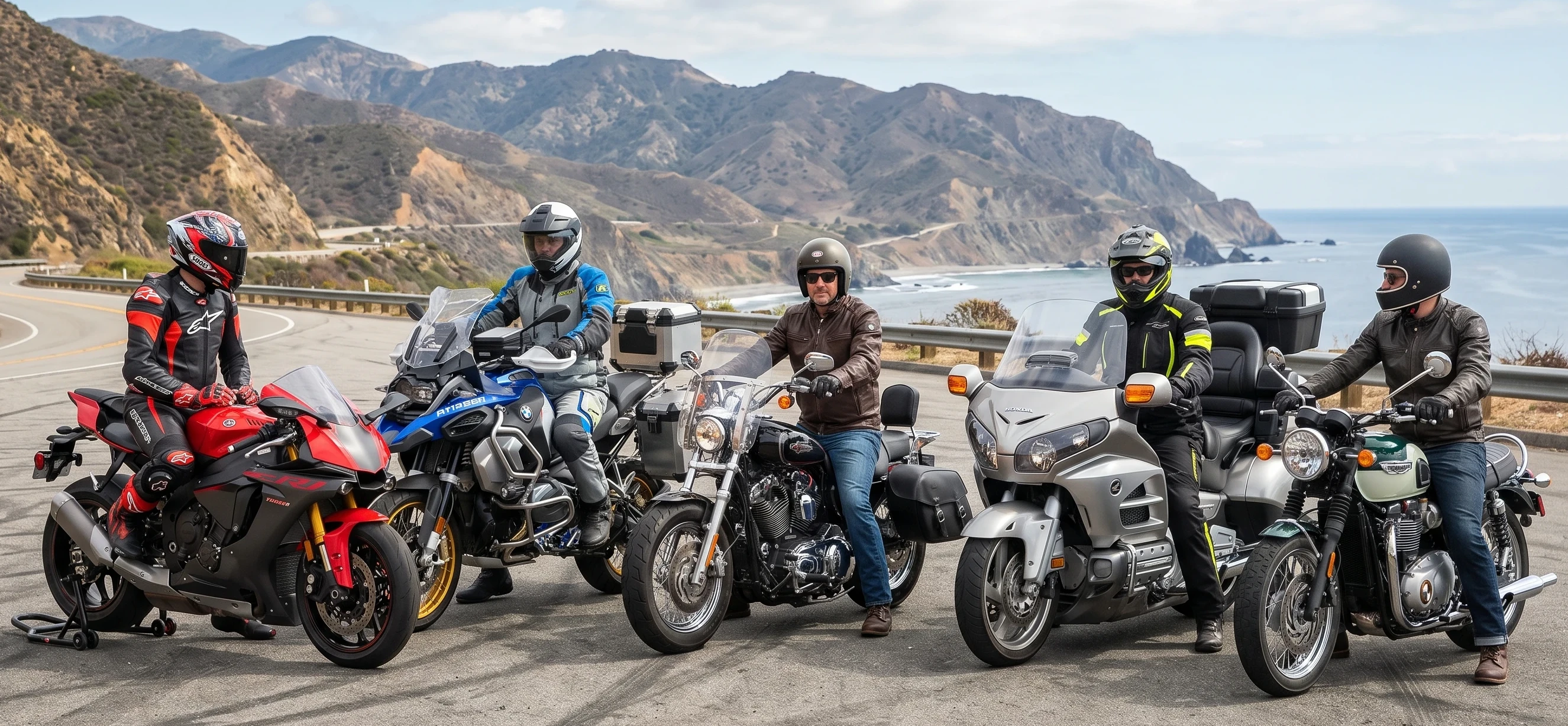
Hopping on a motorcycle feels like pure freedom, but the right safety gear matters a lot. Good motorcycle gear doesn’t just keep you safe against bumps and bad weather; it also adds comfort and style. Even if you’re just riding around town, having the basics covered can make every ride a lot more enjoyable and secure.
Choosing the best gear can get confusing, especially with so many brands and options out there. I’m sharing the essential motorcycle gear that every rider really needs. Whether you’re brand new or you’ve been riding for years, this rundown helps you pick what’s worth your money and what truly keeps you protected out on the road. For more in-depth information including some of the best sources to purchase, see our posts and links on www.motorcyclexs.com website. Let’s get into the must-haves.
1. Motorcycle Helmet: Your Most Important Protection
Wearing a helmet is the most important thing you can do for your safety when you ride. I always tell riders: don’t cut corners with this piece. Besides being required by law in many places, a helmet can save your life in a crash and keep you safe from bugs, wind, rain, and debris.
Types of Motorcycle Helmets
- Full Face Helmet: Offers the best protection for your head and face. It keeps out wind noise and weather, and is the top choice for serious safety.
- Modular Helmet: Looks like a full face, but the chin bar flips up. Super handy if you want more airflow or need to chat without taking it off.
- Open Face (3/4) Helmet: Leaves your face open but still covers your head. It feels more breezy, but you lose some protection.
- Half Helmet: Minimal coverage and mainly protects the top of your head. Stylish for cruisers, but not ideal for serious safety.
Features Worth Checking Out
- Safety Certification: Make sure it’s DOT, ECE, or Snell certified before you buy. Without proper certification you may not be getting full protection.
- Ventilation: Keeps your head cool on hot rides. Good helmets have adjustable airflow channels.
- Comfort Padding: Should be snug, not tight. Removable pads make cleaning easier and keep your helmet fresh.
- Face Shield: Clear shields are best for night, tinted ones cut sun glare during the day.
2. Riding Jacket: Stay Protected and Comfortable
A solid riding jacket is way more than a style statement. It protects your skin from scrapes in a fall and gives you a boost in comfort in all sorts of weather. The best jackets come with impact armor in key spots and use abrasion resistant materials like leather or textile blends.
Main Types of Riding Jackets
- Leather Jackets: The classic choice for bikers. Tough and durable for slide protection. They last a long time if you care for them properly.
- Textile Jackets: Lighter, more affordable, and usually better for wet weather. Many have waterproof liners and ventilation zippers.
- Mesh Jackets: Made for summer. They let in lots of airflow but still offer decent protection with built-in armor.
Jacket Features I Find Super Useful
- Armor at Shoulders, Elbows, and Back: Removable CE-rated armor is always a plus for peace of mind and can be swapped out for upgrades.
- Waterproofing: Keeps you dry during sudden showers. Some jackets include removable waterproof layers for added flexibility.
- Fit Adjusters: Waist and wrist straps help you get a snug fit; no flapping sleeves at high speeds!
- Pockets and Visibility: Deep pockets are handy, and reflective panels make you easier to see at night or in bad weather.
3. Motorcycle Gloves: Protect Your Hands
Your hands take a beating in a crash, so gloves should always be on your gear list. Proper motorcycle gloves protect against abrasion, weather, and vibration. I never leave without mine, even if it’s a quick spin. Protecting your palms and fingers is more important than many riders realize.
Types of Motorcycle Gloves
- Full Gauntlet Gloves: They cover your wrist and work well for longer rides or sport riding. Extra protection and weather coverage are built in.
- Short Cuff Gloves: Lighter and more flexible. Nice for short trips or riding in the city, and they are easier to get on and off quickly.
Glove Features Riders Appreciate
- Palm and Knuckle Protection: Look for reinforced panels and hard protection where you need it, especially on the outside of your hands and main impact zones.
- Grip Material: Some gloves have sticky grips on the palms, which is super useful if your handlebars get wet or you have sweaty hands.
- Breathability: Mesh or perforated leather keeps your hands dry in summer, while waterproof gloves are better in rain or cold weather. Some even have removable liners for maximum flexibility.
- Touchscreen Tips: Some gloves let you use your phone or GPS without taking them off, which is pretty handy for navigation or quick stops.
4. Riding Pants: Coverage from Waist to Ankles
Wearing jeans is better than nothing, but they’re not made to withstand sliding on pavement. That’s why riding pants matter. They’re built with abrasion resistant materials and often have extra protection in the knees and hips. No matter your style, dedicated riding pants can keep you much safer if you have to put your bike down.
Types of Riding Pants
- Textile Riding Pants: Lightweight, great for commuting, and easy to slip over work clothes. A popular choice for all-season riders.
- Leather Pants: Best for track or serious sport riding. Classic look and durability. These can be warmer, but they hold up well in a slide.
- Armored Jeans: Jeans made with Kevlar panels and armor give a casual look but better protection than regular jeans. These mix in some variety for those who want the best of both worlds.
Stuff to Look for in Riding Pants
- Adjustable Knee Pads: Pads that move are more comfortable and offer the best protection if they’re positioned right.
- Vent Panels: Zippers or mesh sections help on hot days by letting cool air reach your legs while you ride.
- Waterproof Liners: Keeps water out during rain rides. A removable liner provides more flexibility for year-round use.
5. Motorcycle Boots: Don’t Skip Foot Protection
Good boots can keep your feet, ankles, and shins protected from impact and twisting. I always recommend boots with sturdy soles and ankle support, especially for rides longer than a few miles. Even around town, you never know when you’ll need that extra support to avoid a bad sprain or worse.
Common Boot Styles
- Racing/Sport Boots: High impact protection, stiff construction for serious riding. Made for performance on the track or aggressive riding styles.
- Touring Boots: Tall, with waterproofing and comfort for all-day rides. A favorite for those who like weekend adventures or travel by motorcycle.
- Short Boots/Sneaker Style: Casual look, good for city riding but still better than regular sneakers and usually easier to slip on and off.
Handy Features in Motorcycle Boots
- Slip Resistant Soles: Keeps your feet planted when stopping on wet pavement or loose gravel.
- Armor or Reinforcement: Look for extra padding at the toe, heel, and ankle. This helps reduce injuries from awkward landings or tip overs.
- Waterproof Membranes: Really helpful when puddles or rain show up on your ride. Many boots include breathable waterproof layers to keep your feet dry and comfortable.
6. Extra Gear Every Rider Should Have
While the basics above cover the most important parts, a few extra items are always worth having for added protection and convenience:
- Rain Gear: A lightweight, packable rain suit can save you from a soaking on unpredictable days. Many pack down small so you can always keep them in your backpack or bike bag.
- Earplugs: Wind noise gets tiring fast, especially on longer rides. Earplugs keep your hearing sharp and help avoid fatigue even on busy highways.
- High Visibility Vests/Bands: Anything that makes you more visible to drivers is a great idea, especially in low-light conditions. Reflective strips or neon colors boost your presence and safety on the road.
Common Rider Questions
Can I just wear regular sneakers and jeans to ride?
It’s tempting, especially for short rides, but they don’t offer much protection in a crash. Motorcycle specific boots and pants have armor and materials made to hold up against sliding on pavement and impact. For comfort and safety, the extra investment really pays off—and so does knowing your gear is up to the task.
How do I find the right size for gear?
- Try on gear in person when possible, or check sizing charts online from reputable brands.
- All gear should be snug but not tight; too much slack means armor might not stay in place.
- For helmets, make sure it doesn’t shift around when you shake your head, and pressing on one side shouldn’t move the whole helmet off-center.
What about riding in hot weather?
Mesh gear or jackets and pants with ventilation panels will help you stay cool. If it’s really hot, look for moisture wicking liners or shirts to wear underneath. Staying covered is still important, even in the heat, to avoid road rash or burns. Cooling vests and neck wraps can also give a boost on the hottest days.
Final Tips for Choosing Motorcycle Gear
It’s easy to get swept up in brands and style, but comfort and protection should always come first. I recommend starting with certified helmets and a sturdy jacket. Add gloves, pants, and boots next. Make sure each piece fits you right—not just for comfort, but to make sure the protective features actually work if you need them. Remember, riding gear is meant to last, so shop smart for pieces you’ll feel good wearing every time you ride.
Quick Gear Checklist for Riders:
- Choose a helmet that fits well and meets safety standards for your area.
- Pick a comfortable jacket with impact armor and ventilation so you’re covered year-round.
- Get gloves that offer real protection, not just warmth or style, and always keep a backup pair handy for long trips.
- Find pants designed for riding, with real abrasion resistance and armor for your knees and hips.
- Wear proper boots that protect your feet and ankles for every kind of ride, no matter how short.
Your safety gear is an investment in your own well-being and peace of mind. Ride safe, stay protected, and enjoy the open road to the fullest!
*This site has been created using tools and training developed by Wealthy Affiliate. www.wealthyaffiliate.com?a_aid=8dedb8d0