

Choosing the right motorcycle luggage makes every ride smoother, whether you’re commuting daily, planning a weekend escape, or taking on a long-distance tour. Every type of luggage has its own strengths and is best matched with particular riding needs and bike styles. Here we break down the most common motorcycle luggage options, explain their uses, and give you real advice on how to pick what’s right for your rides.
Common Types of Motorcycle Luggage
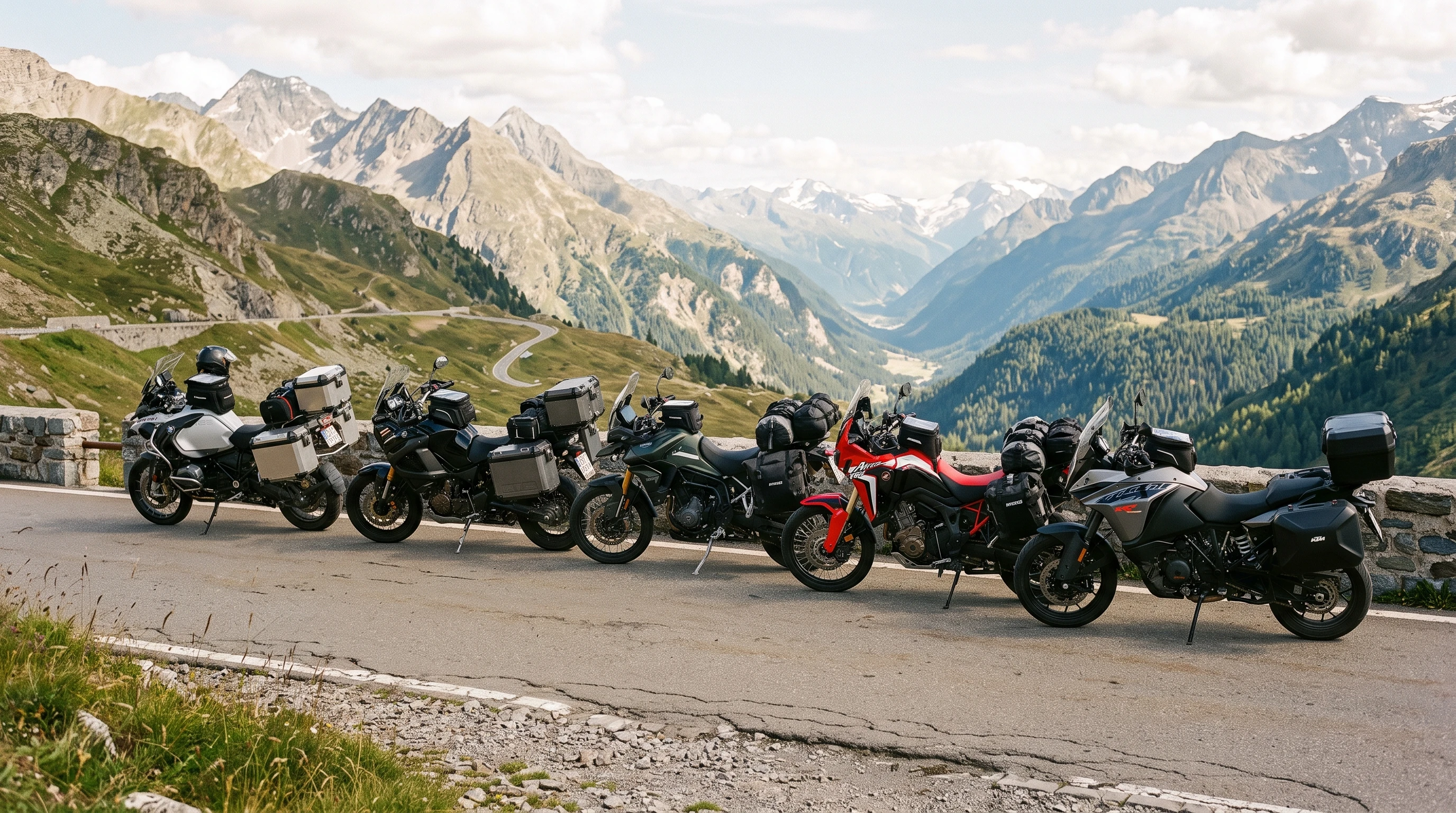
Motorcycle luggage comes in a wide range of designs to suit both style and utility. Picking the right bag can depend on whether you need security, maximum space, easy removal, weather resistance, or just something simple and lightweight. Learning about the biggest categories helps narrow the search and saves you from buying items you won’t use. Modular luggage systems are becoming more popular, letting you blend different bag types for custom setups as your rides evolve. With the luggage world expanding, knowing these new options helps you keep your gear fresh and suitable for future adventures.
- Hard Saddlebags: Rigid cases made from plastic, fiberglass, or aluminum. They lock, offer weather protection, and mount directly onto the bike, usually on touring or cruiser models.
- Soft Saddlebags: Flexible bags made with textile or synthetic materials. They’re lighter, easier to mount or remove, and fit more bikes. They generally cost less too.
- Tail Bags: Compact, strap-on bags that fit behind the seat. These are easy to attach and remove and don’t always require special brackets.
- Tank Bags: Sit on the fuel tank, usually attached with magnets or straps. Tank bags are handy for easy access to your phone, wallet, and maps.
- Top Cases (Top Boxes): Rigid, lockable boxes mounted behind the passenger seat. They’re great for commuting and can often store a full-face helmet up out of the way.
- Panniers: Technically a style of saddlebag, these are usually hard cases (often metal or rigid plastic) used on adventure and touring bikes for riders who need lots of space and strength for tough roads.
Main Features of Each Luggage Type
Each luggage option brings something unique to the table. Understanding which features line up with your travel plans saves a lot of hassle. I’ve broken down each type’s materials, security, and compatibility so you know where each one really shines. Consider how modern design upgrades, such as reflective panels or built-in charging ports, can give your luggage a boost in functionality and safety, especially during long trips or night riding. Some bags even come with built-in hydration pouches, helping you stay refreshed while on the road.
Hard Saddlebags
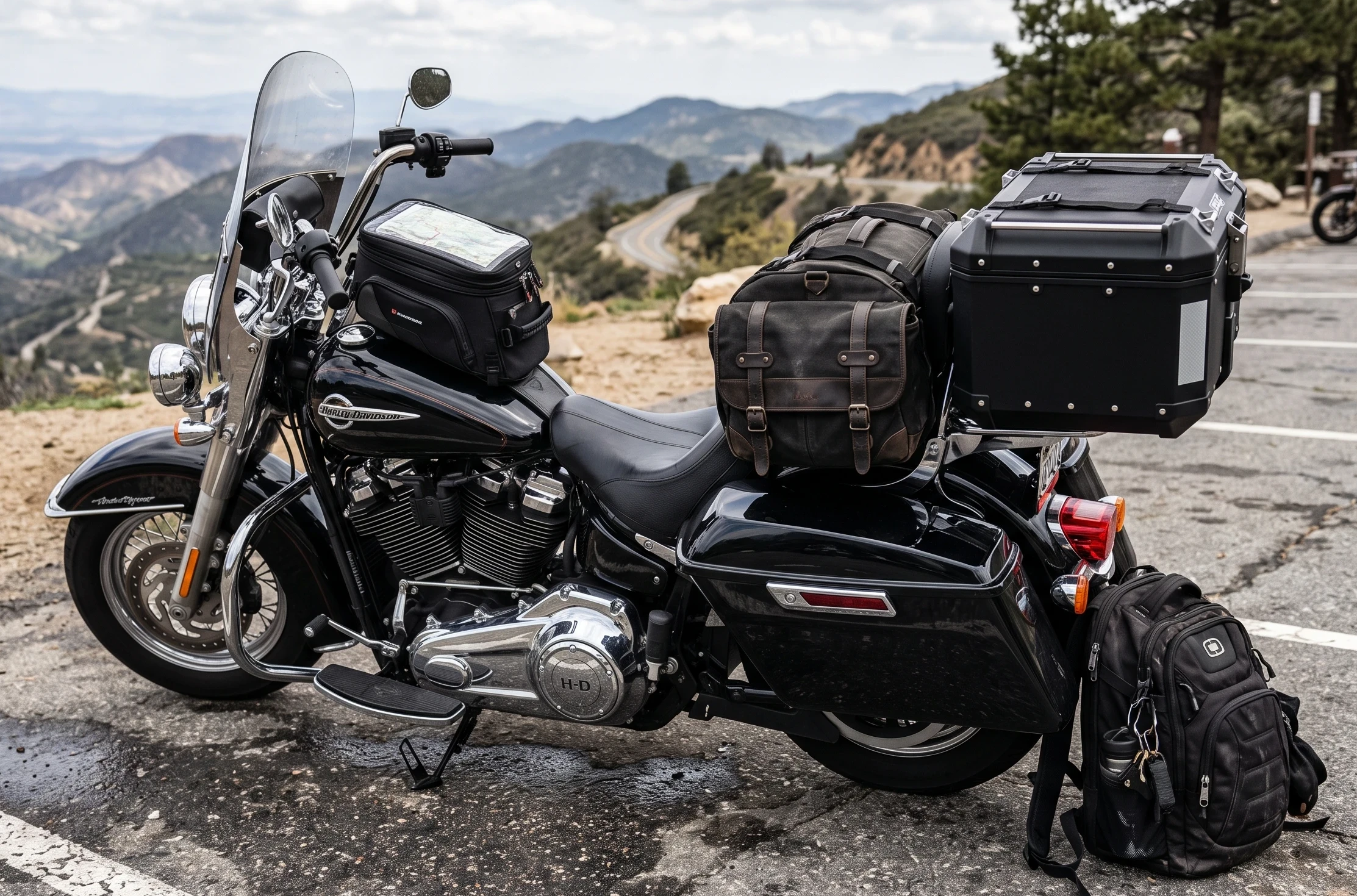
These cases are made from ABS plastic, fiberglass, or aluminum. They have weather-resistant seals and most lock for security. Since they’re rigid, they always hold their shape, so you never deal with saggy, collapsed bags after you unpack.
Hard saddlebags cost more, add weight, and require model specific mounting hardware. For commuters and road travelers looking for dependable protection in any weather, these cases are an easy pick. You’ll appreciate them the most when riding in rain or when the bike is parked in busy areas and you need peace of mind. Riders who carry electronics or valuables will enjoy the security provided by hard cases. Some premium options include built-in interior lights, making it easier to spot things even in low light.
Soft Saddlebags
They’re usually made from woven nylon, canvas, or weather treated synthetics. Many fit under or just over the seat, attaching with simple straps, which makes them quick to put on and take off.
Soft bags work for sport bikes, cruisers, or pretty much any bike with a passenger seat. They offer a budget friendly option that’s easy to stow when not in use, though they don’t have the same theft protection or heavy duty weather seals as hard cases. The flexibility makes them great for packing odd sized items, and their lightweight build helps keep your overall bike weight down, so performance doesn’t suffer. For riders who often remove their luggage at stops, the convenience is hard to beat.
Tail Bags
Tail bags are sized for everything from a few essentials to a full overnight kit. They either strap to the seat or the luggage rack. Some tail bags have expandable zippers for added space in a pinch. They don’t require permanent brackets and often come off quickly, making them practical for anyone who likes removable gear. Many tail bags can double as backpacks with hidden straps, boosting their use after you step off the bike.
Tank Bags
Tank bags provide convenient access to snacks, phone chargers, or a water bottle. Magnetic tank bags attach and detach in seconds, while straps give more security on bikes with non-metal tanks. Some higher end bags use a tank lock ring system, so the bag floats just above the paint, protecting the finish.
Since tank bags sit up front, they shouldn’t block your view of controls or block the steering movement. Choosing one with a clear map pouch is a great bonus for touring riders. Newer models often come with touchscreen compatible windows, letting you operate your phone for navigation without pulling it out.
Top Cases (Top Boxes)
Top cases are the big, boxy trunks that mount behind the passenger seat, just above the rear wheel. Many top cases are waterproof, lock securely, and are easy to open with one hand. They can sometimes double as a reliable passenger backrest, which makes longer rides more comfortable for a second rider. Modular top cases let you stack extra bags on top if you need even more space. People who carry laptops or briefcases for work love these cases for their sturdy protection and ease of use.
Panniers
Panniers are extra sturdy, side mounted boxes, most common on adventure bikes and used by folks crossing rough or changing terrain. The best ones are made of thick plastic, aluminum, or a composite for impact protection and water resistance. Their large size and squared off shape carry odd sized gear, camping equipment, or several days’ worth of travel needs securely. Some modern panniers feature quick release mounts or can convert into portable carry cases to make hotel stops and campsite transitions easier.
Choosing the Right Motorcycle Luggage for Your Riding Style
The right luggage is really about matching it to how you ride. Touring, commuting, and adventure riding all have very different storage needs and require different kinds of bags. Here’s how to break down the selection process:
- Touring: Look for maximum storage, weather sealed construction, and secure locking features. Hard saddlebags and top cases usually work best here. A set of panniers gives you the room to pack clothes, rain gear, and even a small toolkit for peace of mind on long routes.
- Commuting: You’ll want something fast to remove and reattach, with just enough space for work supplies, lunch, and maybe a rain jacket. Tail bags and tank bags work here. Having a light, compact bag makes jumping on and off the bike at work a breeze.
- Adventure/Off Road: Ruggedness and flexibility is what to look for. Soft saddlebags that can take a hit or waterproof panniers that hold up to dirt, grit, and rain. Off road riders benefit from flexible mounting systems that keep bags firmly attached over bumps and vibration.
- Weekend or Day Trips: Small tail bags, tank bags, or a compact pair of soft saddlebags offer plenty of storage with less hassle. Easily removable options let you take the bag inside with you when needed.
Remember, it’s important to balance carrying capacity with comfort and ease of handling so that luggage doesn’t make the bike harder to steer or park. Experienced riders sometimes use a combination of bag types, such as panniers plus a tank bag, to keep essentials close at hand while storing bulkier items in larger boxes. Test different combinations on shorter trips before committing to a setup for a major ride.
Things to Watch for When Upgrading Motorcycle Storage
Over time, we’ve noticed a few things that make choosing and using motorcycle luggage much simpler. Paying attention to these details keeps your load manageable and your gear safe. It’s also worth making use of packing cubes or inner pouches to keep smaller items neat and easy to grab without digging around in big bags. Whether you ride solo or regularly take a passenger, consider how accessible your gear is for both of you, and avoid blocking access to important controls or tools. If you swap bikes often, pick luggage with universal mounting straps or multi bike compatibility—it’ll save you hassle when changing rides. Regularly check the mounting systems before each journey and inspect straps or bolts for signs of wear, which helps avoid any surprises halfway through your adventure.
- Storage Capacity: Match bag size to your typical packing list. It’s easy to overpack, so pick the smallest effective size and add more only if you really need it.
- Weather Protection: Always check if bags are truly waterproof or just water resistant. For all weather riding, real waterproof seals become really important.
- Security: Lockable hard luggage is preferred if you will be leaving stuff on the bike in public places.
- Mounting System: Always check compatibility with your bike before buying racks or mounting brackets. Some systems are model specific, so double checking fitment saves money and time.
- Weight Distribution: Keep heavy items low and centered to maintain balanced handling. Uneven weight makes a bike unstable and unpleasant to ride.
- Ease of Removal: If you’re commuting, quick release systems let you bring in your gear at the end of the day without struggling with buckles or locks.
- Build Quality: Look for reinforced stitching, heavy duty zippers, and solid buckles. Durable construction stays looking good and keeps gear safe.
Getting the Most Out of Your Motorcycle Luggage
Once you pick the right luggage, organizing gear becomes a lot easier. Put things you’ll need quickly, like rain covers or a camera, in a tank bag or on top for easy access. For longer rides, use dry bags inside your main bags for extra protection. These small habits keep packing and unpacking organized so you can focus on the ride instead of worrying about your stuff. Packing lists and pre ride checks help avoid leaving something important behind, too.
Choosing the right motorcycle luggage makes every trip smoother, safer, and more flexible. Whether you want more space for a big road trip or just need somewhere to stash your lunch for work, there’s a good option out there. With a bit of planning, every ride is more comfortable and easy to manage, even when plans change at the last minute. And as bike luggage technology keeps moving forward, you can expect even more clever storage options in years to come—so you’ll always be packed and ready for whatever road you choose.
Resourcing Motorcycle Luggage

The hard saddlebags definitely seem to make more sense for motorcycle luggage, as at least they are more secure if you need to stop anywhere and definitely more protective of your luggage, even though they may cost a bit more.
My second choice for more space would definitely be a top box. Although I am not sure how that would go onto a small bike, if at all?
Thank you for your comment, Michel. Hard saddlebags do have their advantages – locking options, quick release, most are waterproof and they do look good! Presently I have saddlebags that are hard leather. They’ve lasted 25 years, but it is now time to replace them. A top box is a good idea if you have the ability to mount them on your bike, depending on your bike style.