

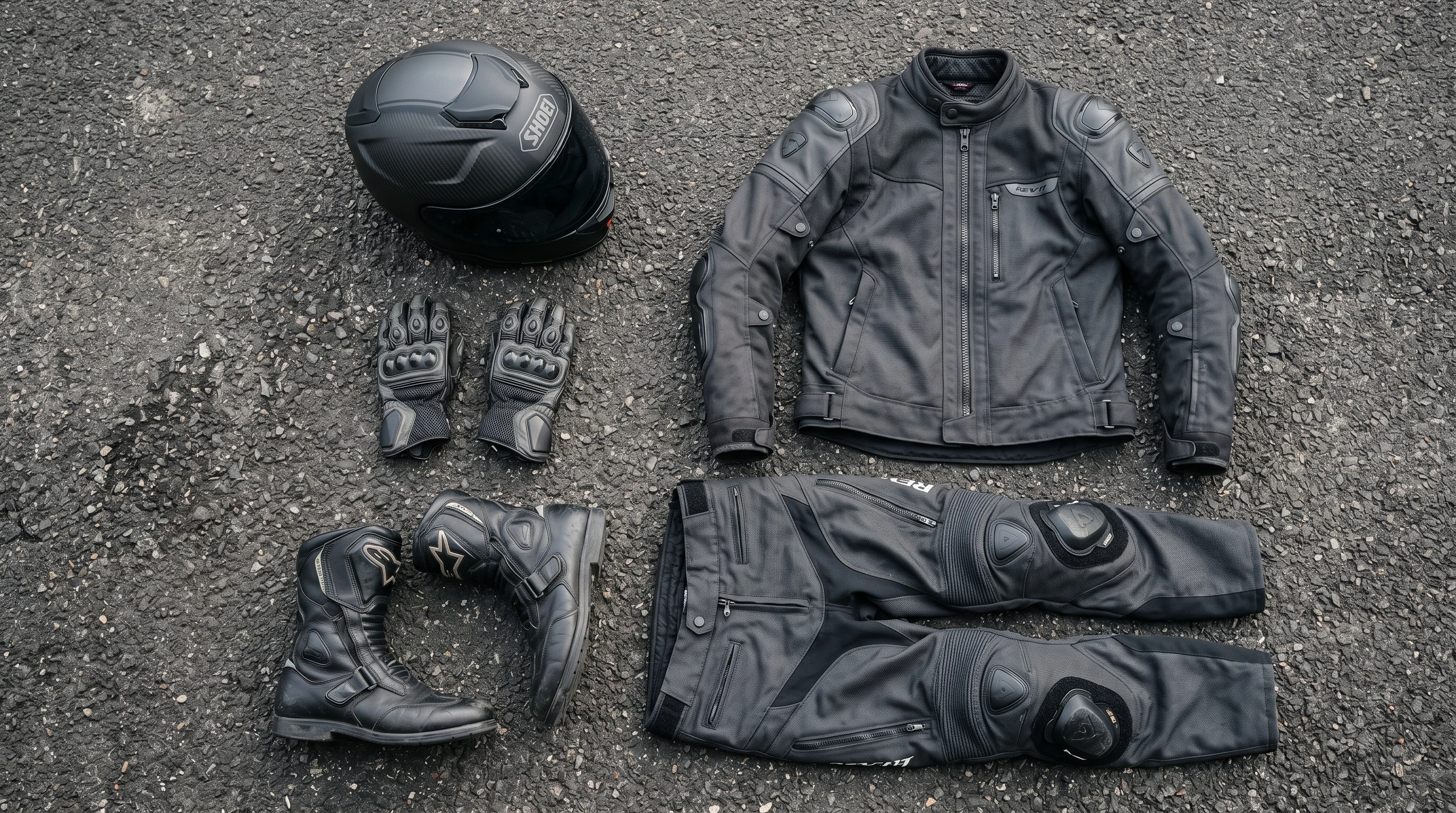
Motorcycling brings a sense of freedom you can’t quite get anywhere else. For me, riding is more than just getting from point A to point B. It’s a lifestyle. But along with the thrill comes responsibility. Being prepared with the right gear is crucial for protection and enjoyment on every ride.
Showing up with just a helmet and a thin jacket was my style when I started out. After a close call I realized that wearing proper motorcycle gear can make the difference between a minor scare and a serious injury. The gear I choose now isn’t about fashion or showing off. It’s about staying protected, feeling comfortable, and making each ride safer.
This guide covers the all-in-one motorcycle gear every rider needs. Whether you’re starting out or refreshing your kit, having the basics dialed in will help you ride with more confidence and peace of mind. There’s a lot of gear out there, so I’ll break it down into approachable steps based on real-world experience and what’s kept me safe on the road.
Helmet Choice: The Non-Negotiable Essential
Wearing a helmet remains the number one safety rule for me and most riders. It’s not only the law in many areas, but it’s also the best way to protect your head in a crash. An accident at even 20 mph can cause brain injury if you’re not wearing one. Of all my gear, my helmet is the one piece I never, ever skip.
Key Helmet Types to Consider
- Full face helmet, which covers your entire head and provides the most protection, including your chin and face.
- Modular helmet, which looks like a full face but has a flip-up front section. Handy for talking or quick stops, but you lose a bit of protection at the hinge area.
- Open face helmet, covering the top and sides of the head but leaving the face exposed. Some like the increased airflow and visibility, but I find the tradeoff in protection not worth it for longer rides.
Buying Tips
- Look for DOT, ECE, or Snell safety ratings.
- Make sure the fit is snug but not painful. Too loose, and it won’t protect you properly.
- Replace your helmet every five years, or sooner if it’s been dropped or in a crash.
I always check online for helmet reviews and sometimes buy through affiliate links from reputable retailers. This way, I know I’m getting something that’s both safe and comfortable.
Jackets: More Than Just Looks
A solid motorcycle jacket is a key part of any riding wardrobe. Beyond looking good, it protects you from wind, weather, and the road if you ever go down. Choosing the right jacket means thinking about where you’ll ride and what kind of weather you’ll face. Even on the hottest summer days, the right material can step up your comfort and safety.
Main Jacket Options
- Leather jacket. Great for abrasion resistance. Classic look, and once broken in, very durable. Can get hot in the summer and heavy in rain unless properly treated.
- Textile jacket. Good for both hot and cold weather depending on the model. Many come with built in armor and waterproof linings, which make them really versatile.
- Mesh jacket. Perfect for hot climates, letting air flow while still offering some protection. I always layer up underneath if there’s a chance of colder temps.
Features I Look For
- Removable armor at elbows, shoulders, and back
- Proper fit—snug enough to keep armor in place but loose enough for movement
- Good ventilation or adjustable vents
There are plenty of top-rated options online, and buying through trusted affiliate links lets me read real-world reviews before making a choice. Don’t forget that some jackets are tailored for different types of riding, such as touring, sport, or city commutes.
Gloves: Protecting Your Hands on Every Ride
When you think of gear, gloves might seem optional. The first time I skidded out on wet pavement, my gloves kept my hands from serious scrapes. They do more than protect from the elements; they’re the first barrier between your hands and the ground, and they let you control your bike confidently.
Types of Motorcycle Gloves
- Full gauntlet gloves, which offer wrist and knuckle protection—great for long rides or spirited riding.
- Short cuff gloves, good for city or summer rides, trading some protection for breathability and comfort.
What Matters Most to Me
- Knuckle and palm protection
- Fit—no bunching at the fingers or sliding around the palm
- Breathable but sturdy material (leather, reinforced synthetics)
I keep a few pairs to swap out depending on the season and buy recommended brands through affiliate sources with good return policies. If you ride in colder climates, lined gloves can give a boost to comfort and control when it gets chilly.
Pants: Going Beyond Everyday Jeans
Regular jeans might look the part, but they’re not going to hold up in a slide. I learned this the hard way from a friend who ended up with bad road rash after a minor spill. Motorcycle pants offer protection for your lower body and often come with extra padding at high impact areas. Having pants designed for riding adds a crucial safety net for your legs and hips—areas that often take the hit in an accident.
Popular Pant Styles
- Reinforced riding jeans. Look casual but include Kevlar or other abrasion resistant panels.
- Leather pants. Very tough and great for sport rides, though they can be hot in summer.
- Textile pants. Often come with waterproof liners and removable armor. Perfect for commuting or touring.
What I Recommend Looking For
- Padded or armored knees and hips
- Fit that allows freedom of movement but sits close enough to keep armor in place
- Easy to wear over everyday clothes if you commute
Adding riding pants to your kit doesn’t have to mean giving up style; there are many subtle and comfortable options that perform without drawing too much attention.
Boots: Solid Support from the Ground Up
Good motorcycle boots do more than just keep your feet dry. They support your ankles, shield against impacts, and help you grip the bike better. I noticed a huge difference in comfort and control when I finally invested in proper boots. Even slow-speed tip-overs are less scary with sturdy boots protecting your feet and ankles.
Key Boot Options
- Riding boots, built with reinforced soles, ankle protection, and tough outer materials. Many boots feature waterproof liners and shifter pads.
- Short ankle boots, ideal for summer or city use, though less protective for highway riding.
- Adventure or touring boots, which are higher cut, waterproof, and comfortable for long hours in various conditions.
Critical Boot Features
- Oil resistant, grippy soles
- Reinforcements at the toe, heel, and ankle
- Quality zippers or laces that won’t break loose
Try to pick boots with reflective elements—these provide extra visibility at night. Secure closures, well-padded support, and waterproofing also make all-weather rides more enjoyable.
Extra Gear Worth Having
Once you have the basics, a few extras can make riding even safer and more comfortable. These accessories might not seem like must-haves, but over time their value becomes clear.
- Ear protection: Reduces wind noise, which can cause hearing loss on long rides.
- Cordless tire inflator: Small and compact, priceless is you have a tire getting low.
- Cell Phone: Provides communication if you are broken down. Keep it charged!
- Waterproof rain gear: Compact and easy to stow, makes wet rides much less miserable.
Gear Resources
If you haven’t yet, check out some trusted affiliate links for gear recommendations, detailed guides, and current discounts. No ride is too short for safety. Trying on gear in a local shop helps, but online shopping is convenient when following these steps. Always check sizing charts, read user reviews, and look for stores with easy return policies. Affiliate links often lead to expert reviews and comparison guides, which helps make a decision with confidence.
Track down the gear that lets you ride smart. Your future self will thank you for making rider safety a priority every mile down the road.
Right click to open the links below:
